


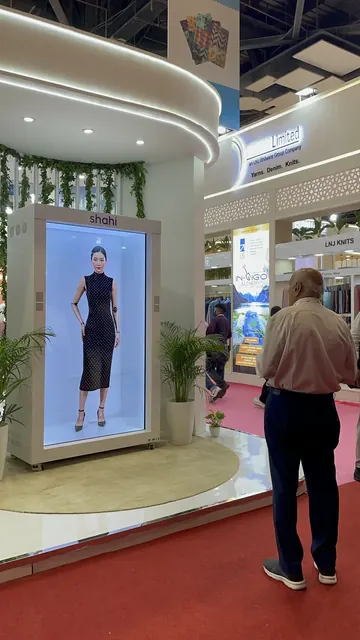














What is a hologram, and how does it work?
Most products sold as holograms are not true holograms. This page explains each type, so you can tell them apart.
A true hologram is a 3D image recorded and rebuilt with laser light. Most commercial hologram displays, including the HoloBox, create a similar effect another way, such as a bright image on a transparent screen.
The five things people call a hologram
| Type | How it works | Where you'll see it |
|---|---|---|
| True hologram | Laser light records how light bounces off an object, then rebuilds it | Labs, art and security stickers on cards |
| Pepper's ghost | A hidden image reflects off a sheet of angled glass or foil | Stages and museums |
| Hologram fan | Spinning LED blades flash so fast that the blades seem to vanish | Shop windows and small displays |
| Light-field display | The screen sends slightly different images to each eye | Design studios and desks |
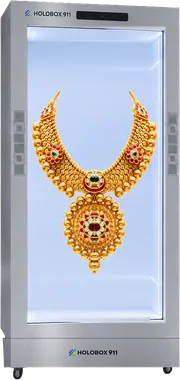
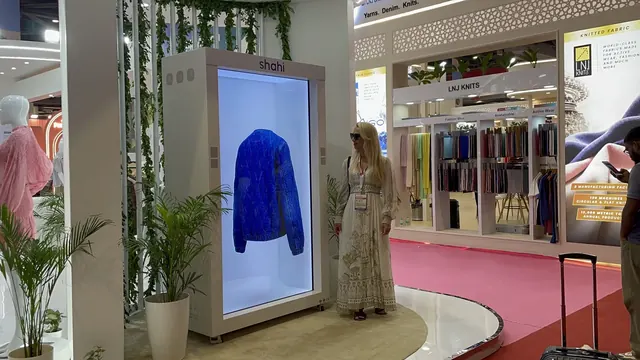
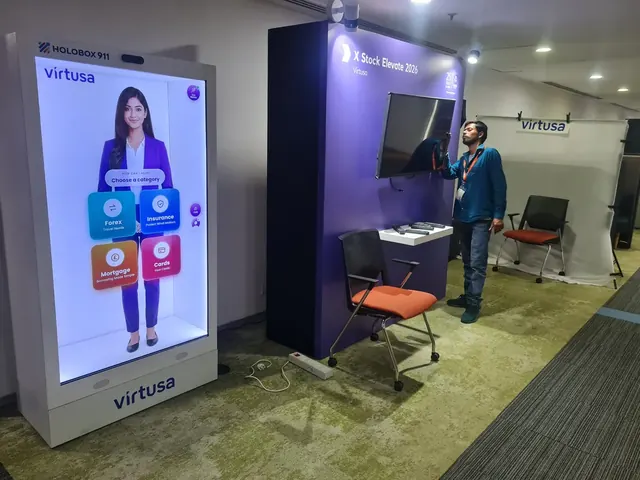
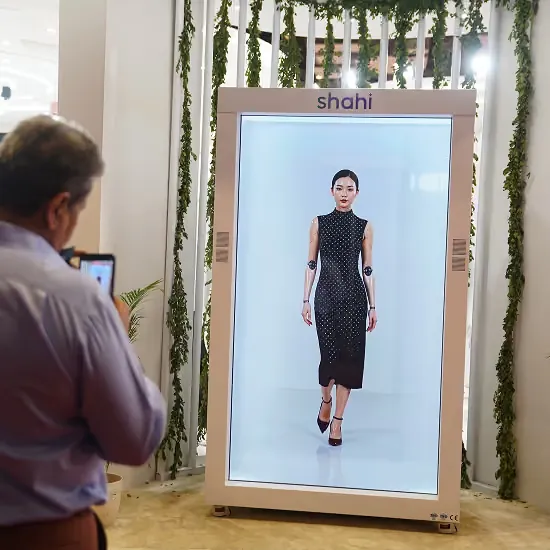
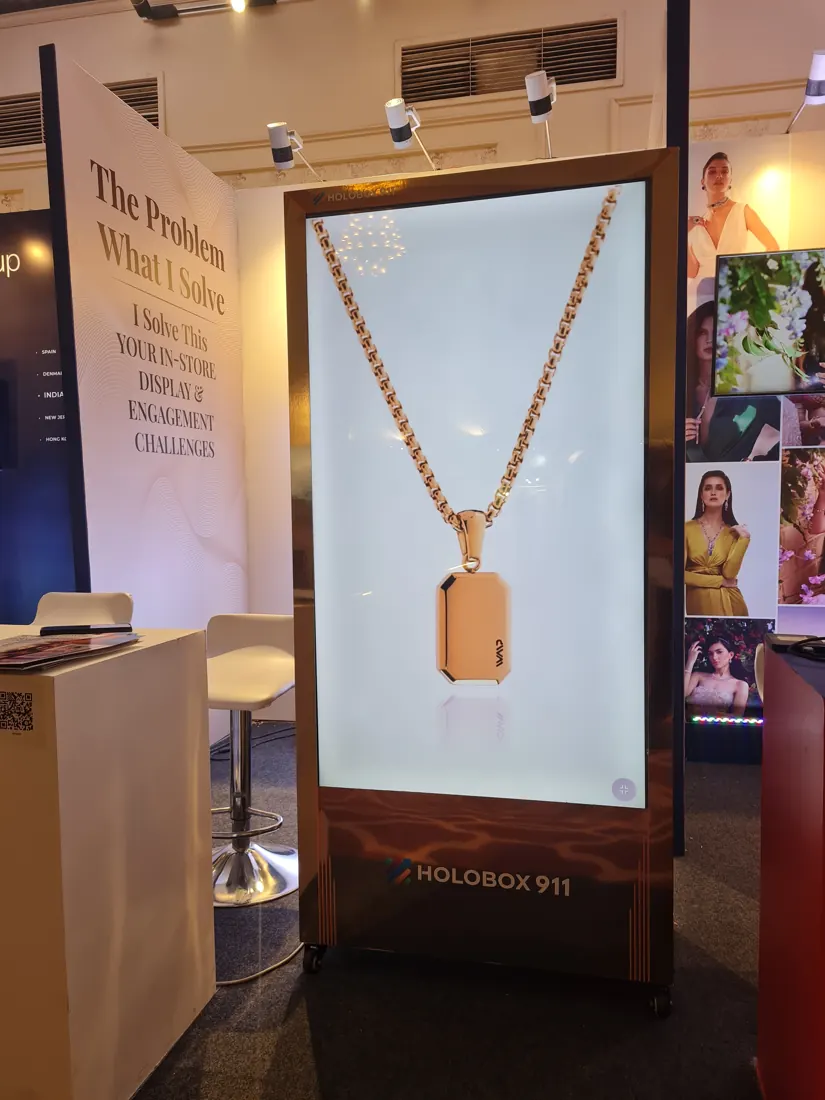
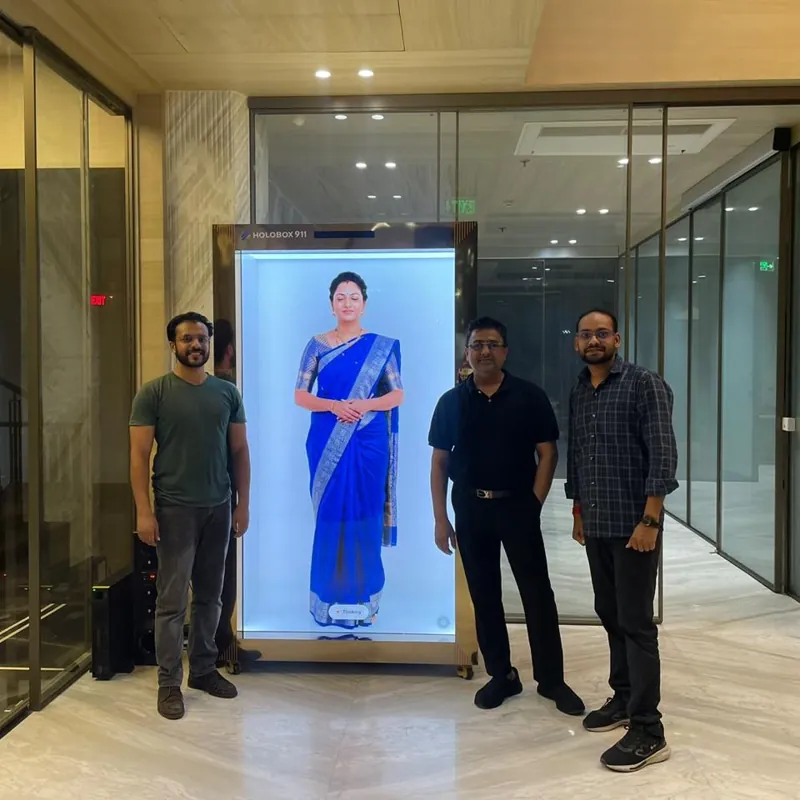
| Transparent display box | A bright image plays on a clear screen inside a lit cabinet, so a person or product seems to float | Events, lobbies and retail. This is what a HoloBox is |
How a HoloBox creates the effect
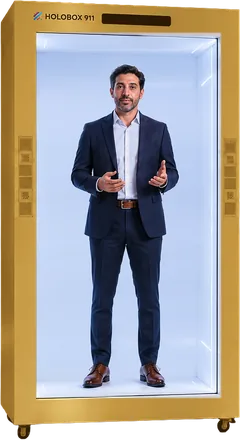
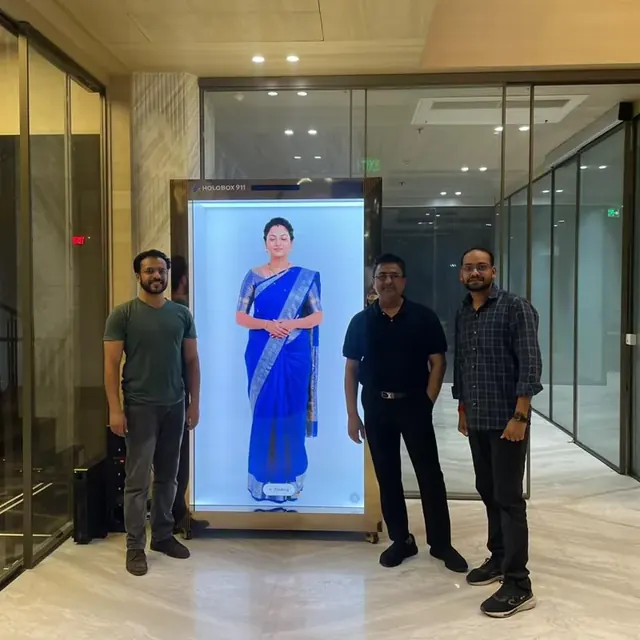
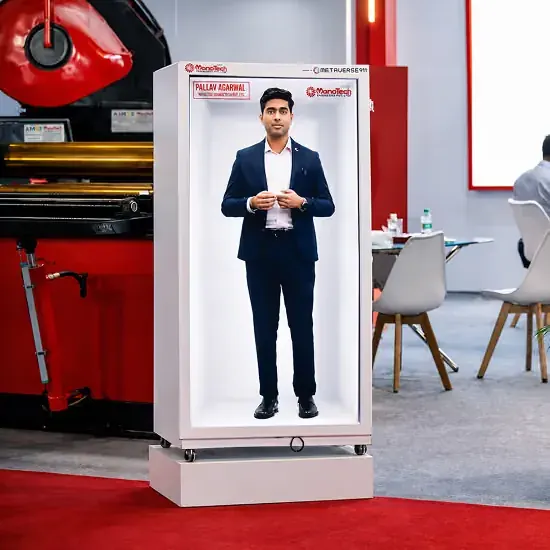
The 7-foot HoloBox has an 86-inch transparent 4K panel. The image plays on the panel with space behind it, so a person appears to stand inside the cabinet at life size.
Strictly, this is a hologram effect, not a true hologram. You see it without glasses, in a normally lit room, and our specifications give every measurement.
If you're comparing options
- Small and low-cost: compare a hologram fan with a life-size display.
- For one event: rent a HoloBox by the day.
- To keep one: compare buying and leasing with renting.
- To hold a conversation: an AI hologram receptionist that talks with visitors.
Questions, answered.
Are holograms real?
Yes. True holograms are 3D images recorded and rebuilt with laser light, and you'll find them in labs, art and the security stickers on cards. Most commercial hologram displays, including the HoloBox, create a similar effect another way. The 7-foot HoloBox plays a bright image on an 86-inch transparent 4K panel inside a lit cabinet, so a person seems to stand inside it at life size.
Can you touch a hologram?
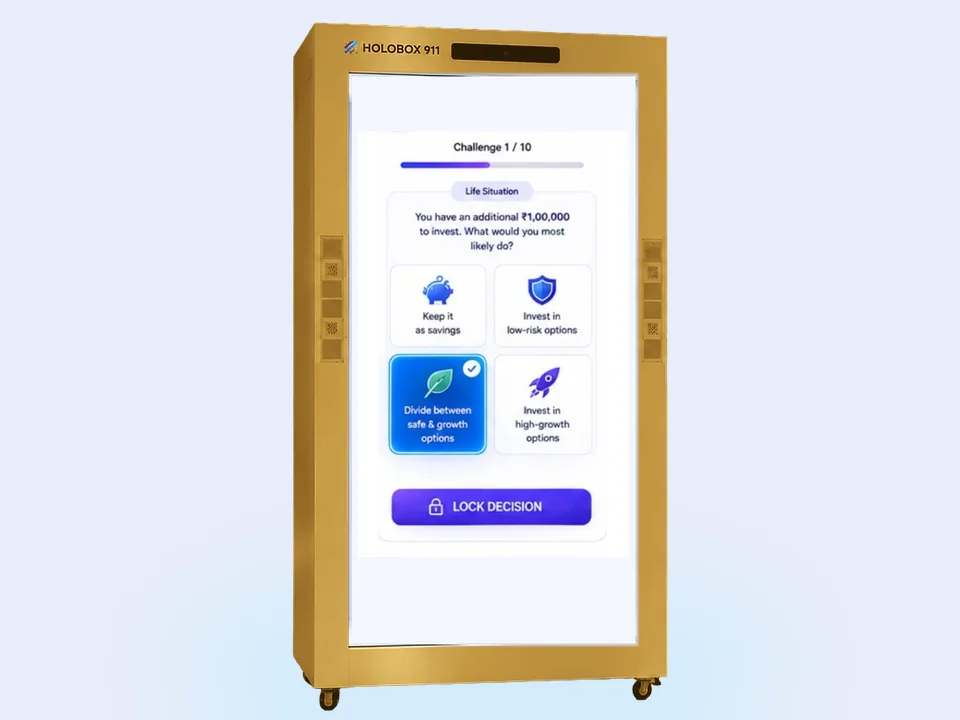
Not the image itself, but you can touch the panel in front of it. On the 7-foot HoloBox, the 86-inch panel has 10-point infrared touch, so visitors tap the glass to choose a topic, ask a question or explore a 3D model, and the image responds. At SFI Expo 2026, Fluidra's visitors explored a pool and plant room this way without being shown how.
Do you need glasses to see one?
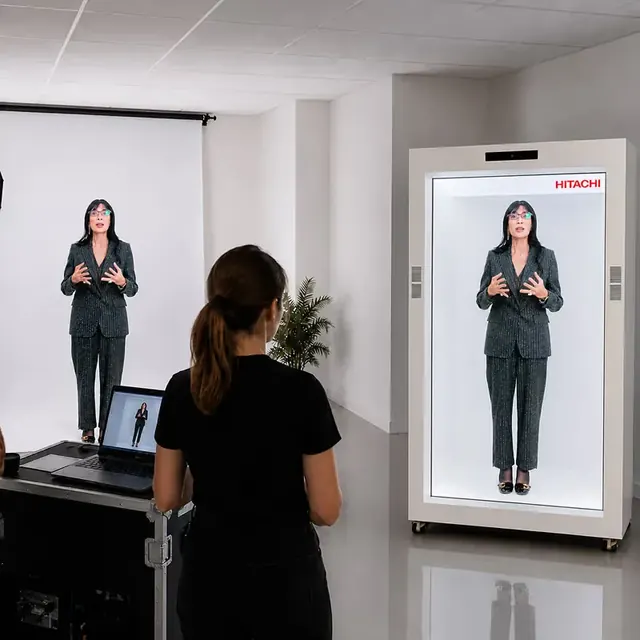
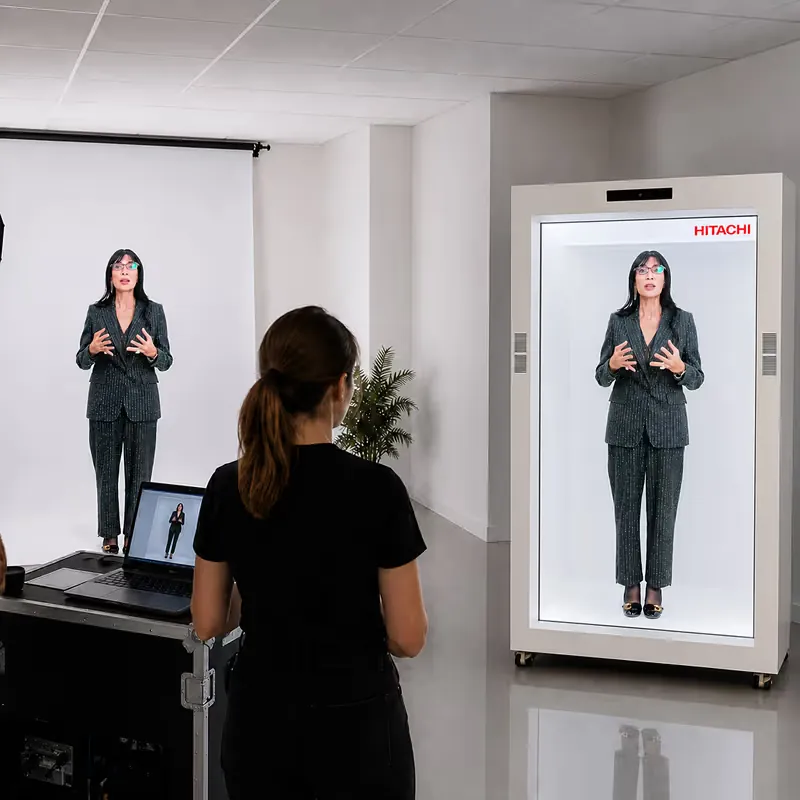
No. A HoloBox, a hologram fan and Pepper's ghost are all seen with the naked eye, by everyone in the room. The HoloBox plays its image on an 86-inch transparent 4K panel inside a lit cabinet, so a crowd can watch together in a normally lit hall, with no glasses or headset. Hitachi's audience in New Delhi watched a Tokyo executive this way.
Do hologram displays work in daylight?
No, a HoloBox is made for indoor use, not daylight. Its transparent panel is rated at 400 nits, so it should stand in an air-conditioned space at -5 °C to 30 °C, away from direct sunlight, sunlit windows and glass roofs. You don't need a dark room: it works in a normally lit hall or office, and our venue checklist covers light, power and the route in.
Is a hologram the same as a 3D video?
No. A 3D video on a normal screen stays flat on that screen. A hologram display makes the subject seem to occupy real space. On the 7-foot HoloBox, content made with the subject standing clear plays on an 86-inch transparent 4K panel inside a lit cabinet, so a person appears at life size inside the box, seen without glasses or a headset.
How does a holographic display work, explained simply?
A holographic display like HoloBox911 plays video on a transparent 4K panel set inside a lit cabinet. The content is made with the person or product standing clear, with nothing behind them, so they seem to stand inside the box at full size. You see it with your own eyes: no glasses, no headset and no projector.
Reviewed by Rrahul Sethi, Managing Director, 8 November 2026.
See one in person.
A demo answers more questions than an article can. Tell us where you are.