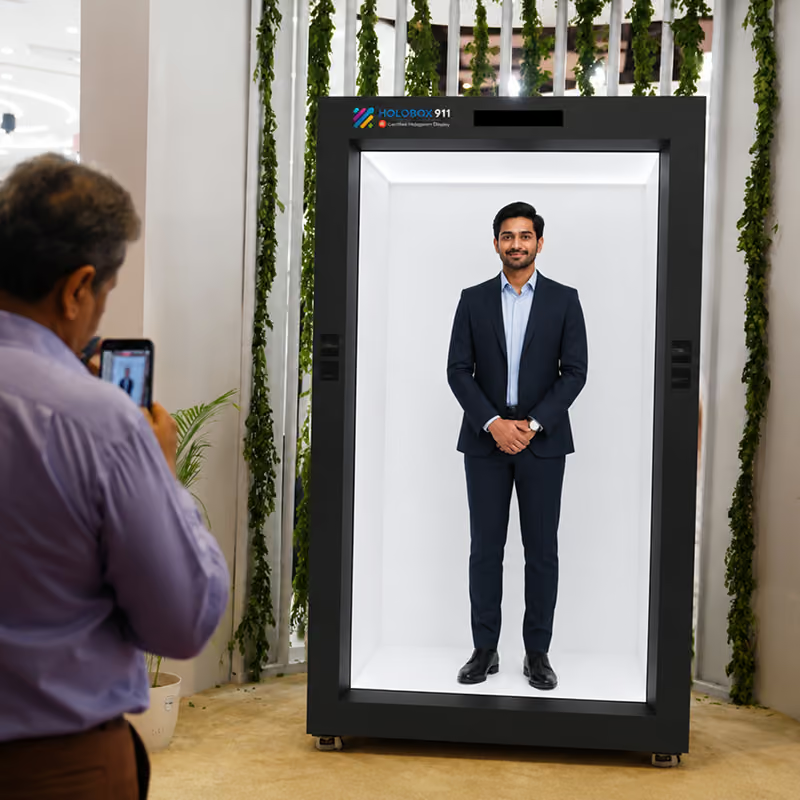
HoloBox911 for Corporate L&D and Onboarding
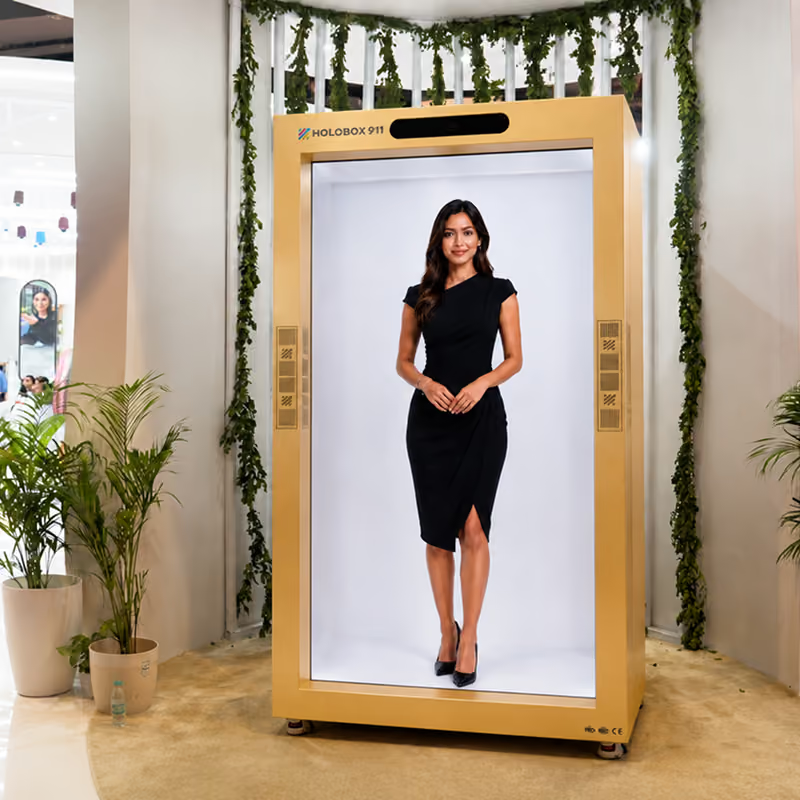
3D Hologram for Events & Exhibitions
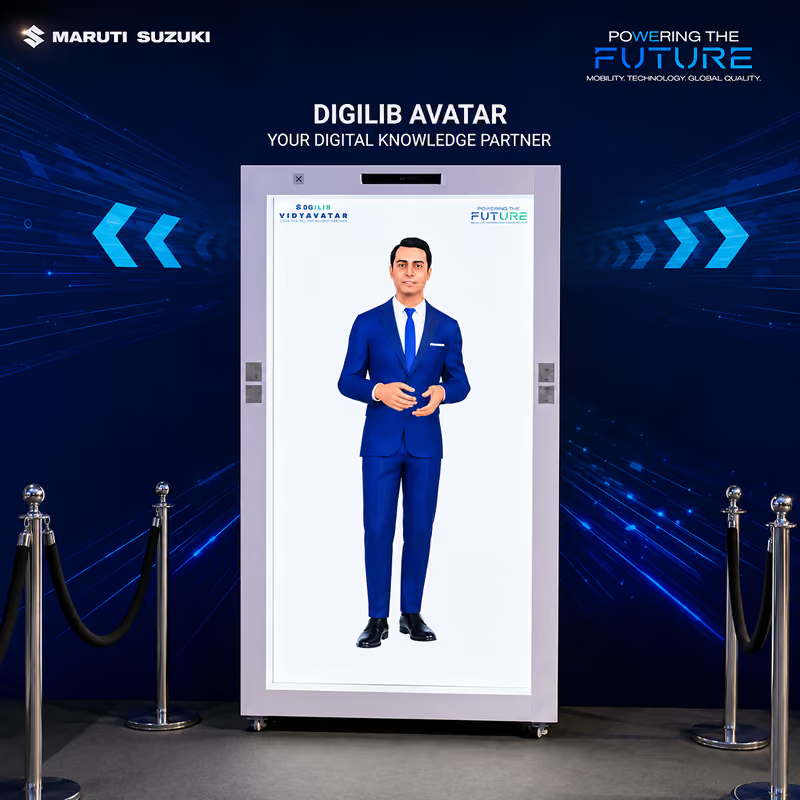
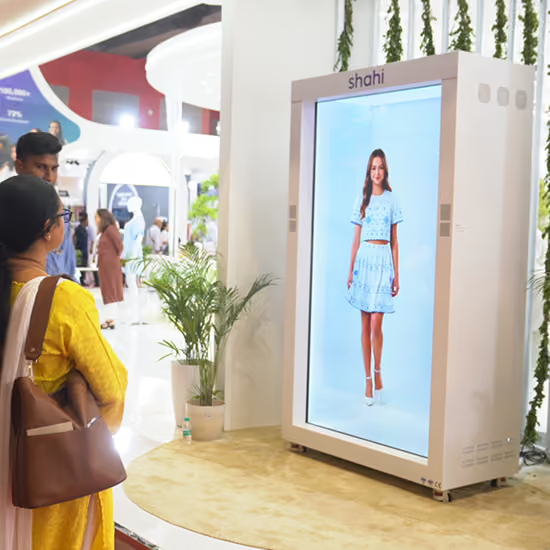




Indian colleges put a hologram display in three places. In the auditorium it beams in guest faculty at life size, with no flight booked. In the lab it turns an engine, an organ or a molecule into a 3D object the class can walk around. On the admissions floor an AI tutor answers visitor questions. One 86-inch true-4K transparent HoloBox911 unit does all three.
Four formats run on the same 86-inch unit, and most campuses start with one. A guest lecture beams a remote speaker onto the stage at life size. A model library turns curriculum objects into things students rotate and take apart. An AI tutor avatar answers spoken questions from material your faculty has approved. Interactive lessons hand the controls to students. Moving between them is a content change in the app, not a hardware change.
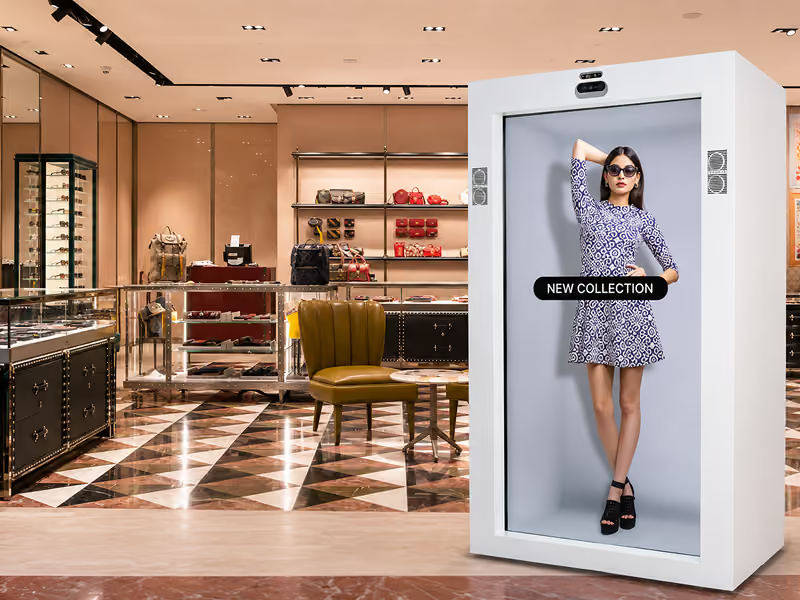
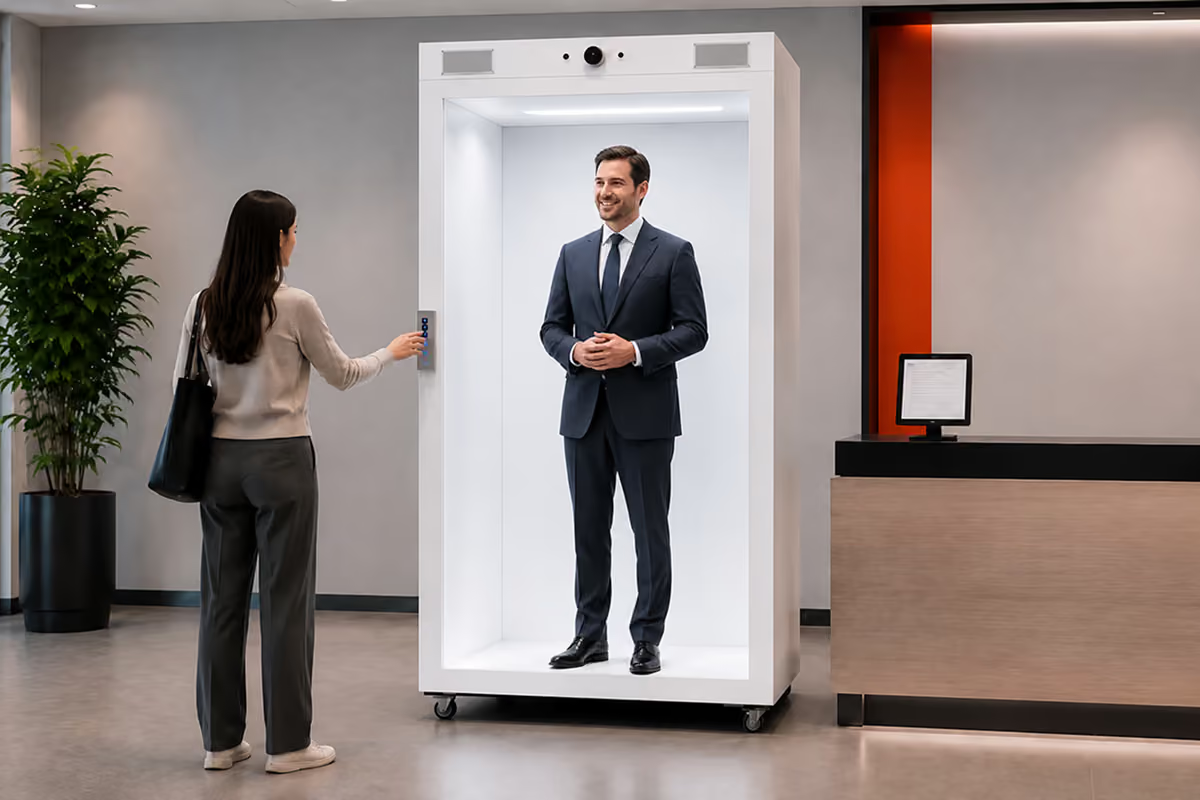
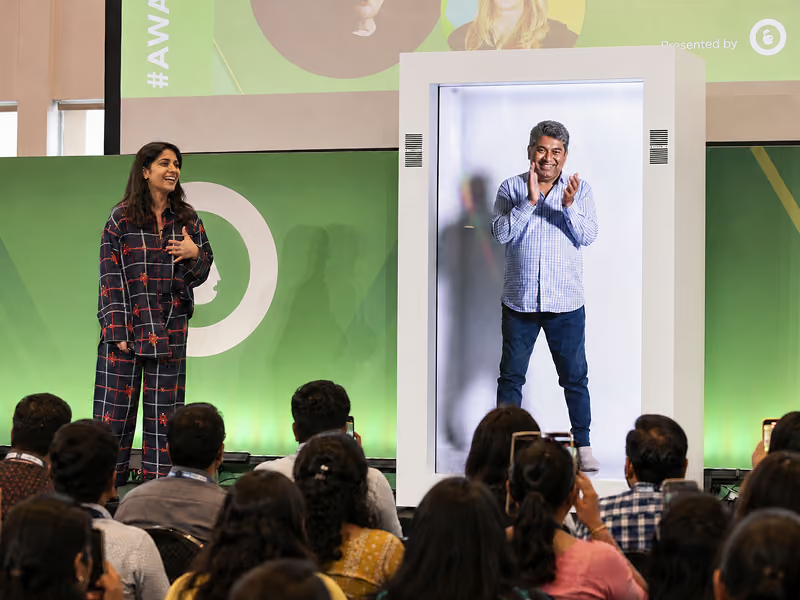
A guest lecture by hologram puts a speaker who is somewhere else onto your stage, at life size, in real time. Their end needs a stable internet line and a capture kit. Your end needs the display, power and internet. Because the figure stands on the stage rather than on a screen behind it, the room reads it as a person, not a video call. One expert can address several campuses in the same day.
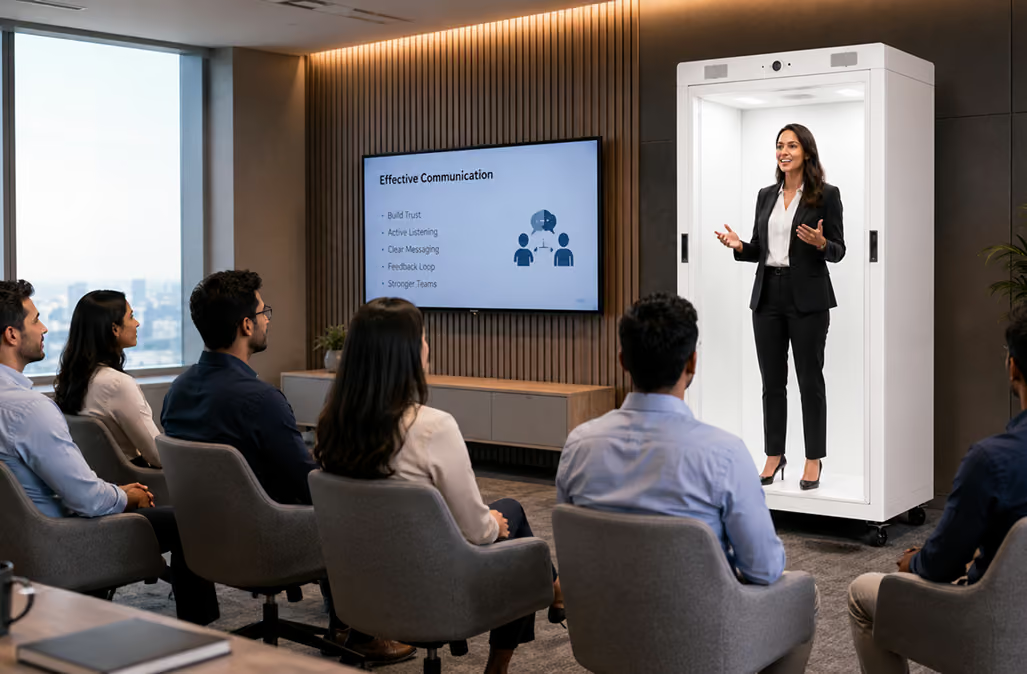
Yes. A model stands inside the enclosure at roughly the size of the object itself, and the class sees it from where they sit. A V6 engine can be rotated and pulled apart layer by layer. Anatomy can be peeled back one system at a time. A molecule can be held at the size of a person. Our Noida XR Design Center builds these models to your own syllabus rather than shipping a fixed library.
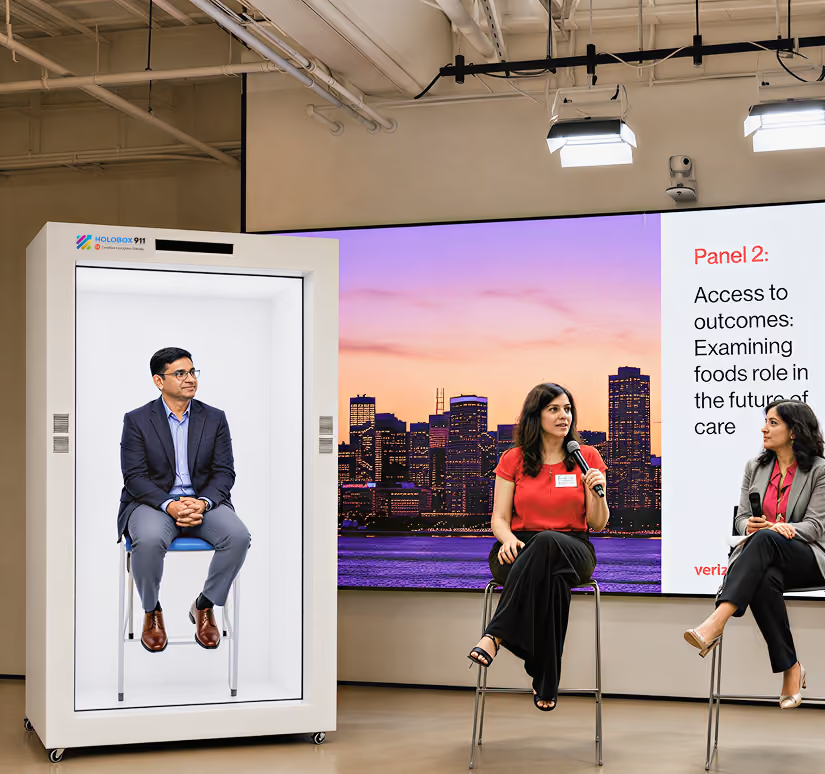
On-site setup takes two to four hours. The unit travels flight-cased with its player, so the work on the day is positioning, power, network and calibration rather than assembly. For a convocation or a tech fest that means the display can go in on the morning of the event. For a permanent auditorium or lab installation the same visit covers faculty training, and the unit carries a one-year SLA-backed onsite warranty from handover.
A visiting expert on your stage, live, with no flight booked.
Syllabus models built to order at our design centre in Noida.
Revision questions answered in several languages, long after the last lecture.
The open-day moment parents photograph and send to relatives.
Driven from one app by the AV team you already employ.
ISO 27001 · ISO 9001 · CE · TÜV certified hardware.
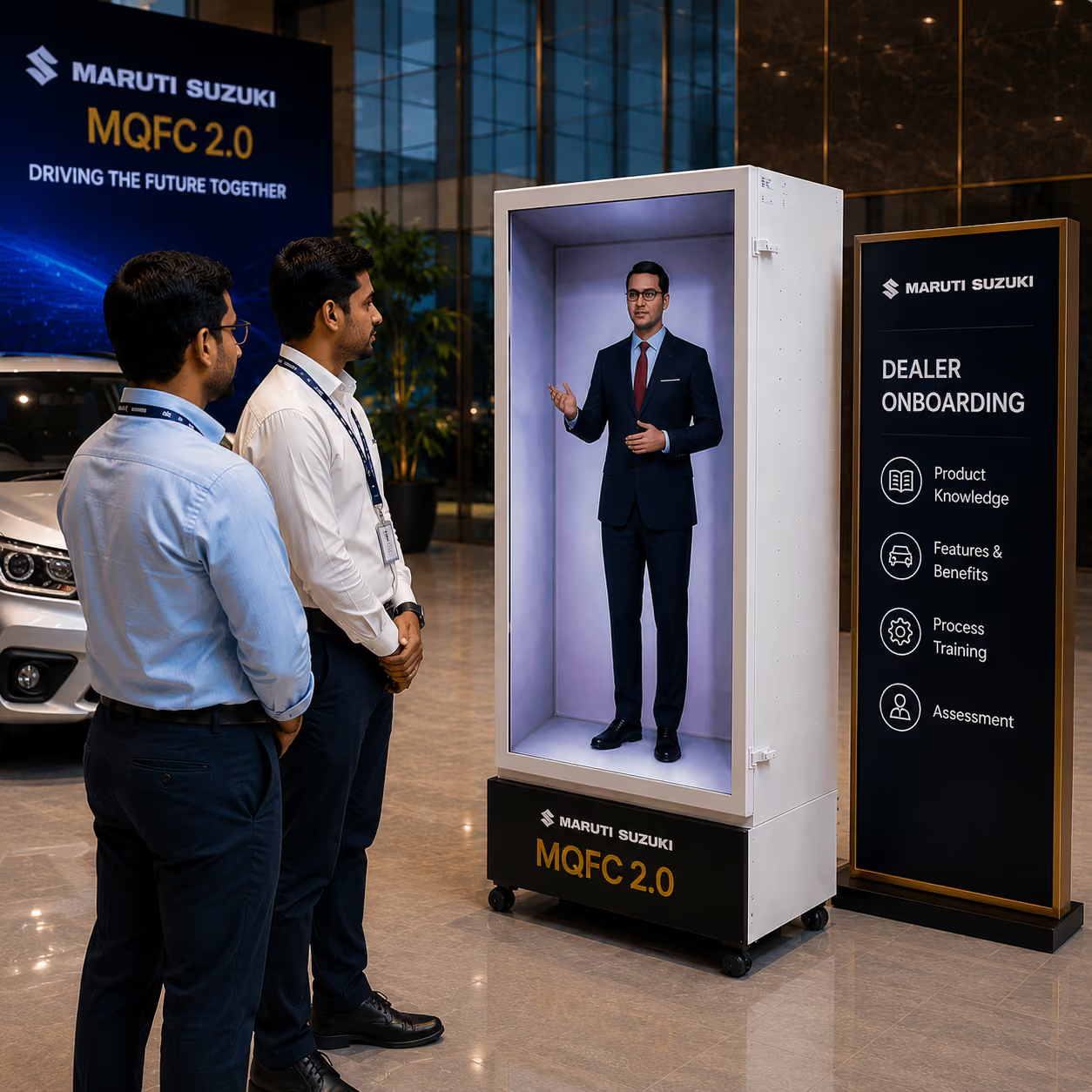
An AI avatar hologram answered more than 750 live questions from attendees at a Maruti Suzuki vendor conference, running from material the organiser had approved.
Read case study →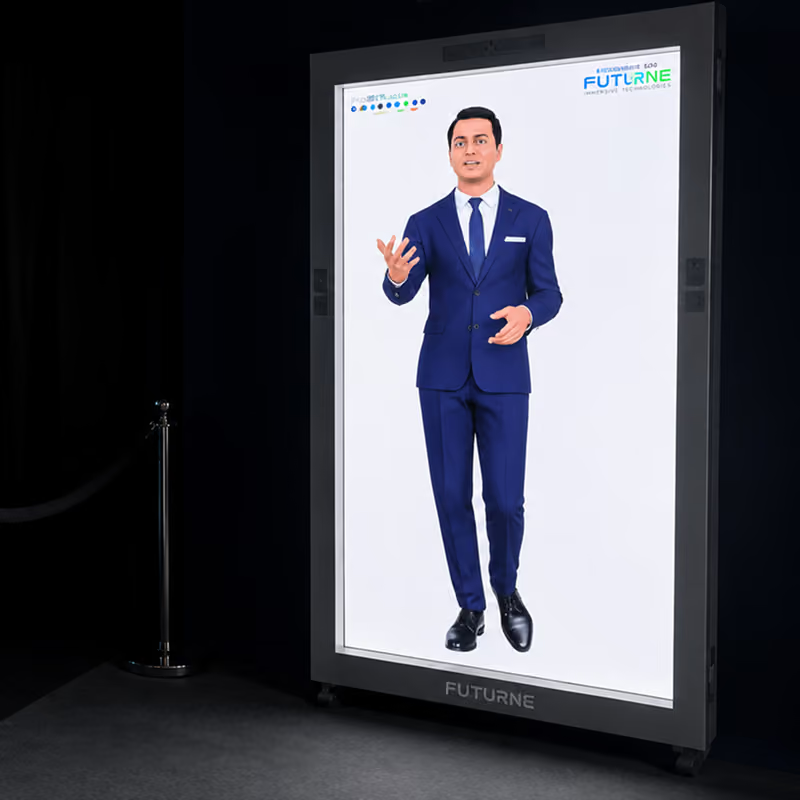
Touch-controlled vehicle-mechanics holograms let dealer staff pull an assembly apart themselves instead of reading it off a slide.
Read case study →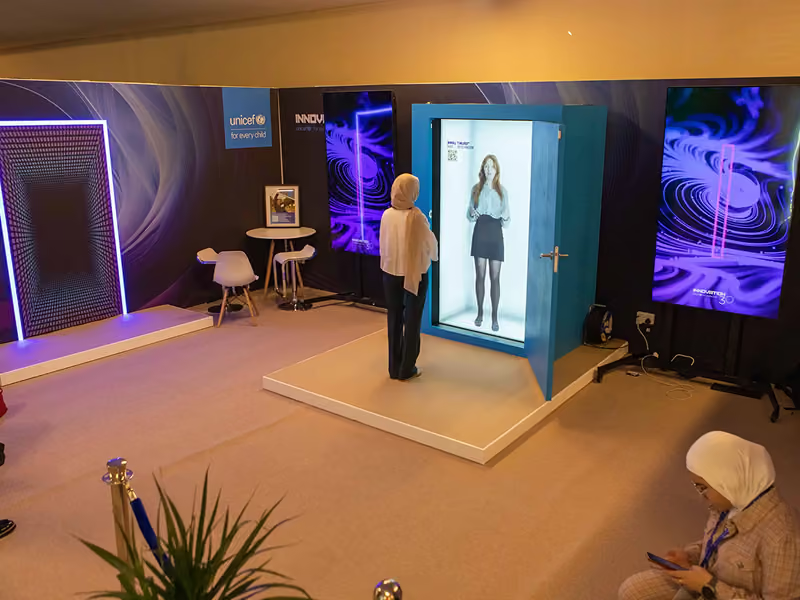
How training teams cut travel and onboarding cost by beaming trainers in and running AI-led induction.
Explore HoloBox for L&D →Where this lands on a campus: a guest-lecture series, a medical-college anatomy theatre, an engineering lab showcase, and an admissions centre for a coaching academy.
A permanent unit for an auditorium, a lab or an experience centre. This is a one-time purchase and it includes installation, faculty training and a one-year SLA-backed onsite warranty. Content support across the academic year is available. Invoicing is with GST.
Request Education Quote →A per-event package for a convocation, a tech fest, an admissions drive or a founder's day. Turnkey and pan-India: transport, content loading, calibration and an operator who stays for the event. A same-day quotation comes back once you send the city and the dates.
Check Availability →It depends on whether you install a unit permanently or rent one for an event, and on how much custom content you need. A campus installation is a one-time purchase covering the display, installation, faculty training and a one-year SLA-backed onsite warranty. An event rental is charged per event and is turnkey, with an operator on site. We do not publish a rate card, because an auditorium installation and a two-day tech fest are not comparable scopes. Both routes are invoiced with GST, and education-friendly commercial terms are available. Send the city, the dates and what you want on the glass, and a quotation comes back the same day.
Yes, after training. The hardware is plug-and-play and everything day to day is driven from a simple control app, so loading a scheduled lesson, starting a model or switching between prepared clips is designed for your own staff. Your AV or IT team is trained during installation and is the group that normally owns it afterwards. Nothing about routine operation requires us to be on campus. For a live guest-lecture beam-in we still recommend an operator, because a live link cannot be re-run if it drops, and on rentals that operator is included in the package.
Yes. The Noida XR Design Center builds custom curriculum models to order, and anatomy, machinery, molecules and processes are the four we are asked for most. You supply the reference material and the teaching intent, and the model is built around how you actually teach the topic rather than as a generic object. This is the same modelling work behind the exploded-view vehicle content built for Maruti Suzuki dealer training, applied to a syllabus instead of a product line. Because it is built rather than licensed, the model stays usable across departments and across academic years.
English and Hindi are standard, and regional Indian languages are configured to match your student base. The avatar answers from a knowledge base assembled out of material your faculty supplies and signs off, not from the open web, so the language set and the syllabus content are configured in the same pass. Where a question falls outside the approved material, it says so rather than guessing. For an institution drawing students from several states this matters more than it first appears: a first-year student is far likelier to ask a revision question in the language they think in.
For a student science-exhibition project we would point you at the simple DIY pyramid method rather than at us. It is inexpensive, it teaches the optical principle, and it is the right tool for one student's exhibit. What HoloBox911 makes is institutional-grade equipment: an 86-inch true-4K transparent display built for a permanent installation or an event-scale showcase, where a whole room needs to see the same thing at once and the content has to hold up in front of parents, industry visitors or accreditation panels. Those are different problems, and it is worth being clear about which one you have.
The unit is an 86-inch true-4K transparent display and it occupies roughly the footprint of a large lectern, so a lecture hall or a lab corner absorbs it without any rebuilding. What matters more than floor area is sightline: the display works with the room lights on and needs no darkened space, so it belongs where the back row can see it rather than where there happens to be a gap. It travels flight-cased and on-site setup runs two to four hours, which means a hall can be surveyed and the unit positioned in the same visit.
Yes. The display carries ISO 27001, ISO 9001, CE and TUV certification, which is the paperwork a procurement or estates team asks for before anything is installed in a teaching building. ISO 27001 also governs how content moves between your faculty and our design team, which matters when the models being built are tied to your own syllabus material. If your tender or purchase committee wants the certification scope in writing, ask at quotation stage rather than after the order, because it is faster to supply up front than to retrofit into a signed file.